
What to Pack for the Jupiter Sandbar | Guide
Short answer: Reef-safe sunscreen, a waterproof bag for valuables, a packed cooler with water and snacks, water shoes, towels, floats, trash bags,...
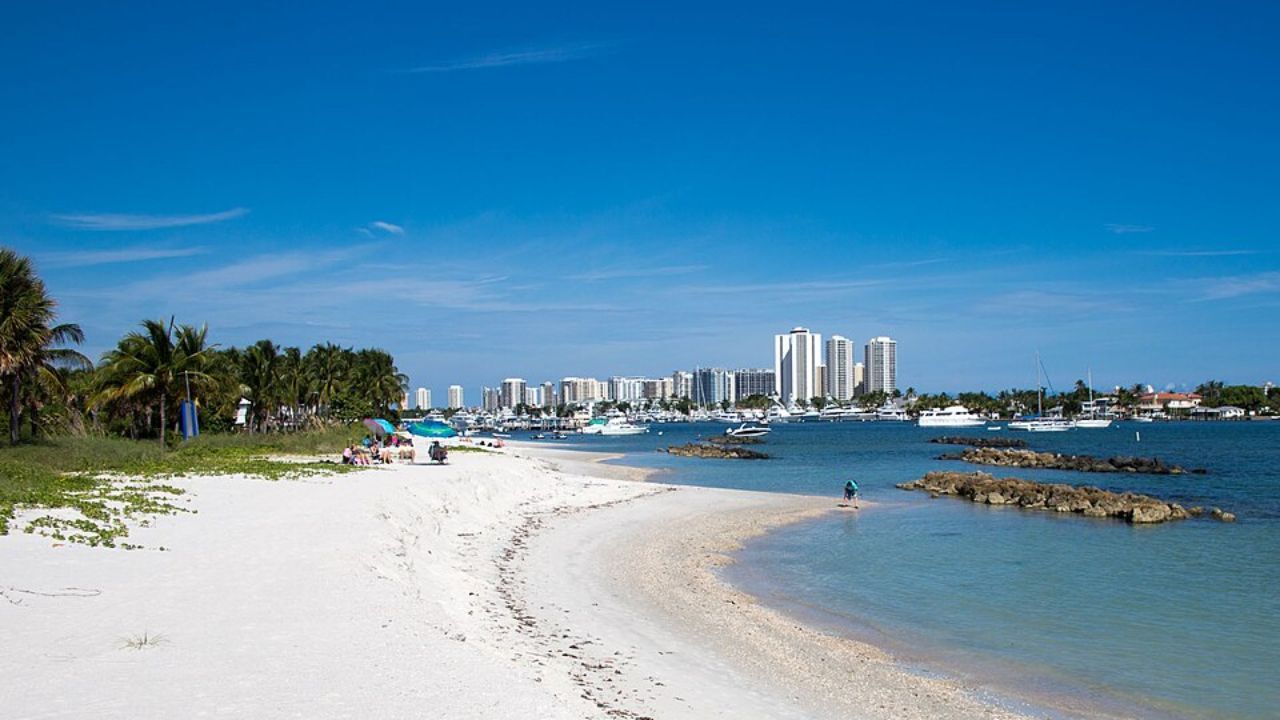
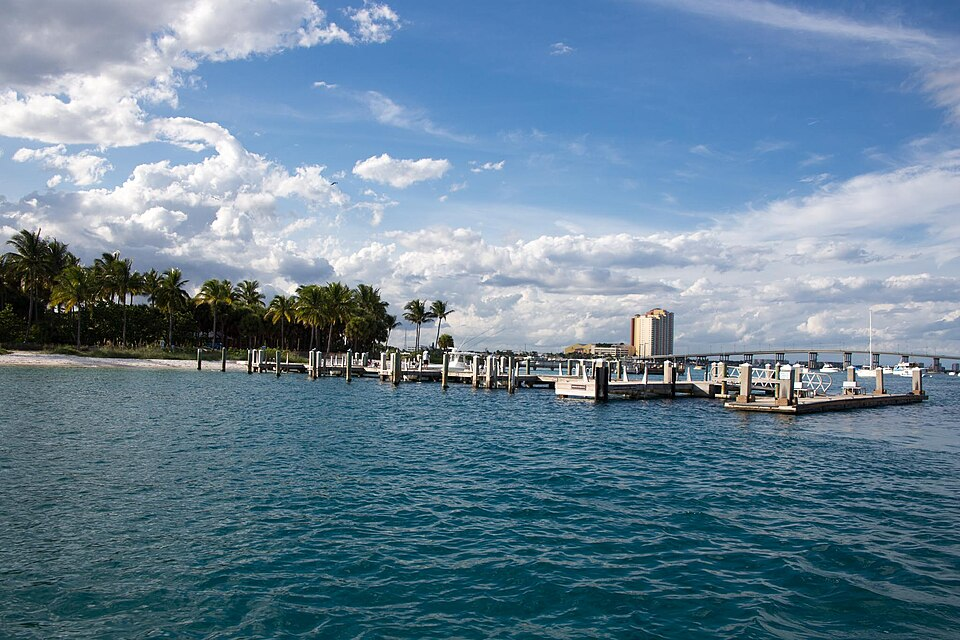
Peanut Island snorkeling is different because of its engineered reef system, Gulf Stream-fed visibility, and boat-only access that keeps crowds low. Most Palm Beach snorkeling spots sit along busy shorelines. Peanut Island does not. It sits in the Lake Worth Lagoon, completely surrounded by water. The only way to reach it is by boat, kayak, or water taxi. That alone changes the entire experience.
But here's the thing. The water quality is not random luck. The Gulf Stream runs closer to the U.S. mainland near the Lake Worth Inlet than almost anywhere else. Twice a day, incoming tides flush the lagoon with warm, clear Caribbean water. That tidal cycle is why the visibility at Peanut Island regularly beats nearby beach entry spots.
Peanut Island was created back in 1918. Not as a snorkeling destination. It was dredged from the Palm Beach Inlet. Fast forward to 2003, and Palm Beach County launched the Peanut Island Environmental Enhancement Project. That project created a 1.5-acre artificial reef on the southeast shoreline. It also built a 1.3-acre seagrass lagoon on the landward side.
The U.S. Army Corps of Engineers and Palm Beach County Environmental Resources Management designed it together. In 2008, they added 500 tons of limestone breakwater reefs. By 2012, another 2,000+ tons of granite were placed to improve tidal flow and reef habitat. This is not some natural formation that happened to attract fish. Every rock was placed with intention.
Why does that matter for snorkelers? Because the reef sits in shallow, protected water. Depths range from about 4 to 12 feet. Beginners can stand up if they need to. That is surprisingly rare for a reef system this productive.
Here's where Peanut Island snorkeling really separates itself. The artificial reef and mangrove channels create a habitat that attracts species most beach snorkeling spots just cannot support.
Common sightings at Peanut Island include:
According to The Reef Institute, the marine life in the lagoon rivals that of natural reefs in the Florida Keys. That comparison sounds bold. But the species count backs it up.
Manatees deserve a special mention. They live in Palm Beach County's coastal waters year-round. During winter, they gather near the warmer waters of the lagoon. Spotting a manatee while snorkeling 10 minutes from downtown West Palm Beach is something most people don't expect. And it happens regularly.
Palm Beach County has solid snorkeling options. But each spot comes with trade-offs. Here is an honest comparison.
|
Spot |
Access |
Depth |
Crowd Level |
Best For |
|
Peanut Island |
Boat only |
4 to 12 ft |
Low to moderate |
Families, beginners, marine diversity |
|
Phil Foster Park (Blue Heron Bridge) |
Beach entry |
6 to 10 ft |
High on weekends |
Seahorses, underwater photography |
|
Red Reef Park (Boca Raton) |
Beach entry |
Shallow |
Moderate to high |
Kids, casual snorkeling |
|
Coral Cove Park (Jupiter) |
Beach entry |
Varies |
Moderate |
Rock formations, scenery |
|
Breaker's Reef (Palm Beach) |
Boat required |
16 to 30 ft |
Low |
Advanced snorkelers, sea turtles |
Phil Foster Park is the biggest name in Palm Beach County snorkeling. And for good reason. The 800-foot snorkel trail under Blue Heron Bridge is excellent. But it gets packed, especially on weekends. Parking fills up fast. The experience often feels rushed because of the crowd.
Peanut Island sits just across the water from Phil Foster Park. Same tidal system. Same clean ocean water. But fewer people and a completely different vibe. No traffic. No parking stress. Just water, reef, and sand.
Red Reef Park in Boca Raton is great for beginners too. But it is a standard beach entry spot. The reef is shallow, and visibility depends heavily on wave conditions. On a choppy day, it is not worth the trip.
Some people see "boat-only access" as a drawback. Look at it differently. That barrier to entry is exactly what keeps Peanut Island from becoming overcrowded.
Public ferries and water taxis run from Riviera Beach Marina. The ride takes about five minutes. But here is where private boat charters change the game entirely.
Why a private boat makes Peanut Island snorkeling better:
With a private charter, the day is not locked into a ferry return schedule. That flexibility matters when the water clarity hits just right. Nobody wants to leave the reef early because a shuttle is waiting.
South Florida Yacht Rental runs private charters from Palm Beach and Jupiter with USCG licensed captains who know exactly where to anchor near the reef. The fleet ranges from 22ft day boats for small groups to larger motor yachts that fit 20-plus guests comfortably.
Timing is everything here. The number one rule is to plan around high tide. The incoming tide brings that clear ocean water into the lagoon. Visibility drops fast when the tide goes out.
Quick timing guide:
Check the tide tables for Port of Palm Beach before booking anything. Arriving at low tide is the most common mistake visitors make. The difference between high and low tide at Peanut Island is night and day. Literally.
Packing right makes or breaks the experience. Rentals are available on the island, but bringing personal gear is always better.
One thing worth noting. There are walking paths, a boardwalk over the snorkeling lagoon, and a lookout point on the southwest corner. Even people who do not snorkel can enjoy watching the reef from above through the clear water. Chartering a boat that comes loaded with water toys and snorkel gear means less packing and more time on the reef.
Peanut Island is not a one-trick spot. The island also holds a Cold War-era fallout shelter built for President Kennedy in the 1960s. The bunker is no longer open to the public, but the history adds a layer to the visit that no other snorkeling spot in Palm Beach can match.
There is also a fishing pier on the northeast side. Anglers target snook, tarpon, and snapper there. Camping sites dot the island for overnight stays. The combination of snorkeling, fishing, history, and camping on one 80-acre island is hard to find anywhere in South Florida.
Most snorkeling spots in Palm Beach County are good for one visit. Peanut Island pulls people back because the reef is alive and always changing. New coral growth, seasonal species shifts, and manatee migrations mean no two trips look the same.
The Gulf Stream keeps the water warm. The engineered reef keeps the marine life dense. And the boat-only access keeps the crowds thin. That combination is why Peanut Island snorkeling stands apart from every beach entry spot in the region.
For anyone planning a day on the water in Palm Beach, adding a snorkel stop at Peanut Island turns a regular boat trip into something unforgettable. The island is only minutes from the mainland. But once the anchor drops and the mask goes on, it feels like a different world.
Is Peanut Island good for beginner snorkelers?
Yes. The reef sits in 4 to 12 feet of water. Most areas are shallow enough to stand. There are no strong currents inside the lagoon. Beginners and kids can explore comfortably, especially during calm high tide conditions.
How do you get to Peanut Island for snorkeling?
Peanut Island is only reachable by water. Public water taxis and ferries leave from Riviera Beach Marina. The ride takes about five minutes. Private boat charters offer more flexibility, better timing, and access to quieter sections of the island.
When is the best time to snorkel at Peanut Island?
Plan around high tide. The best visibility window runs from about one hour before high tide to two hours after. Early mornings on weekdays offer the clearest water and lowest crowds. Always check the tide tables for Port of Palm Beach before heading out.
Can you rent snorkel gear at Peanut Island?
Yes. Snorkel sets are available for rent at the island's shuttle ticketing desk for around $20. A valid government-issued ID is required. However, bringing personal gear is recommended for a better fit and overall experience.
Short answer: Reef-safe sunscreen, a waterproof bag for valuables, a packed cooler with water and snacks, water shoes, towels, floats, trash bags,...
Lantana sits right between West Palm Beach and Delray Beach on a narrow strip of South Florida coastline where the Atlantic Ocean meets the...
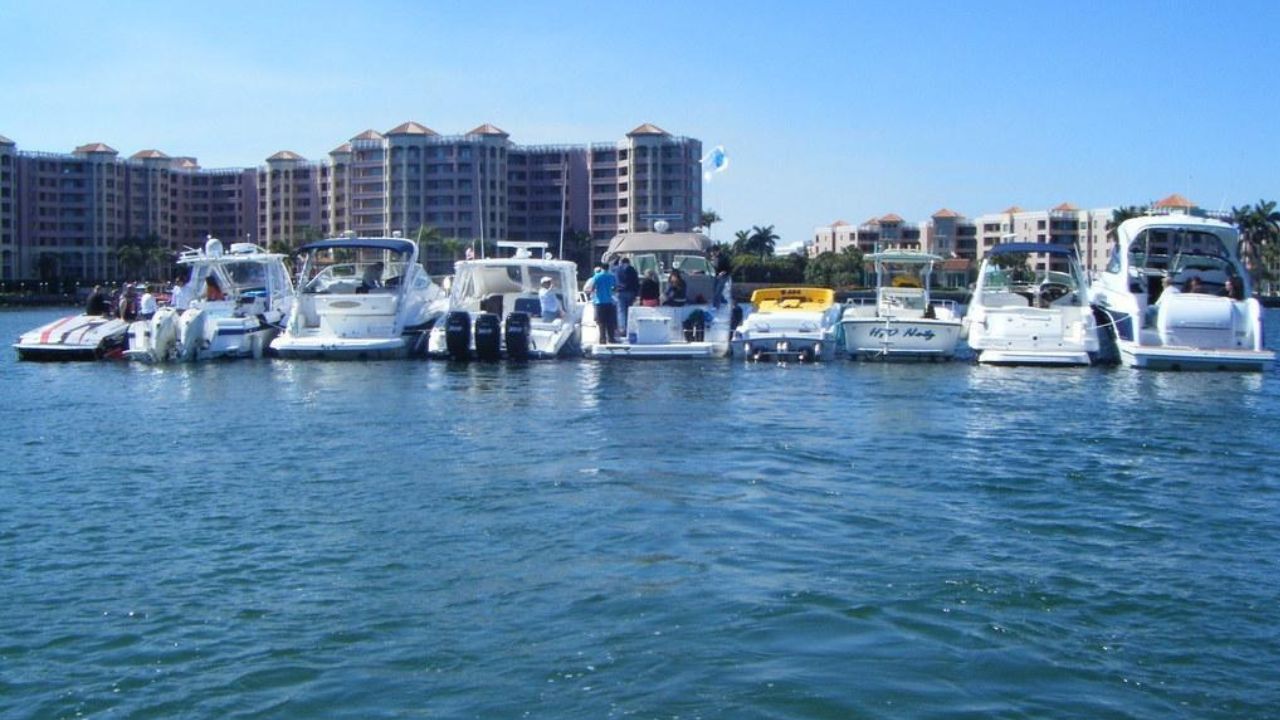
The Lake Boca sandbar is a shallow, sandy gathering spot inside Lake Boca Raton, located just west of the Boca Raton Inlet along the Intracoastal...