
What to Pack for the Jupiter Sandbar | Guide
Short answer: Reef-safe sunscreen, a waterproof bag for valuables, a packed cooler with water and snacks, water shoes, towels, floats, trash bags,...
The quick answer? The difference between yacht and boat comes down to luxury, purpose, and experience onboard, not just how long the vessel is. A 40-foot fishing boat with a basic console is still a boat. A 38-foot vessel with full living quarters, a galley kitchen, and a professional crew? That starts to feel like a yacht. Size matters, sure. But it's really not the whole story.
Most people assume it's a simple length cutoff. Hit 40 feet and congratulations, you have a yacht. But the maritime world doesn't work that way. And for anyone planning a day on the water in South Florida (or anywhere, really), understanding what separates these two categories can completely change the kind of experience that gets booked.
Let's dig into what actually makes the distinction.
Look, size is the easiest way people try to draw the line. And there's some truth to it. Generally, vessels under 30 feet almost always fall into the "boat" category. Once you get past 33 to 40 feet, you enter a gray area where the term "yacht" starts getting thrown around.
Here's a rough breakdown that's widely accepted across the industry:
|
Vessel Length |
Typical Classification |
|
Under 30 feet |
Boat |
|
33 to 45 feet |
Could be either (depends on amenities) |
|
45 to 79 feet |
Yacht |
|
79 to 150 feet |
Superyacht |
|
150+ feet |
Megayacht |
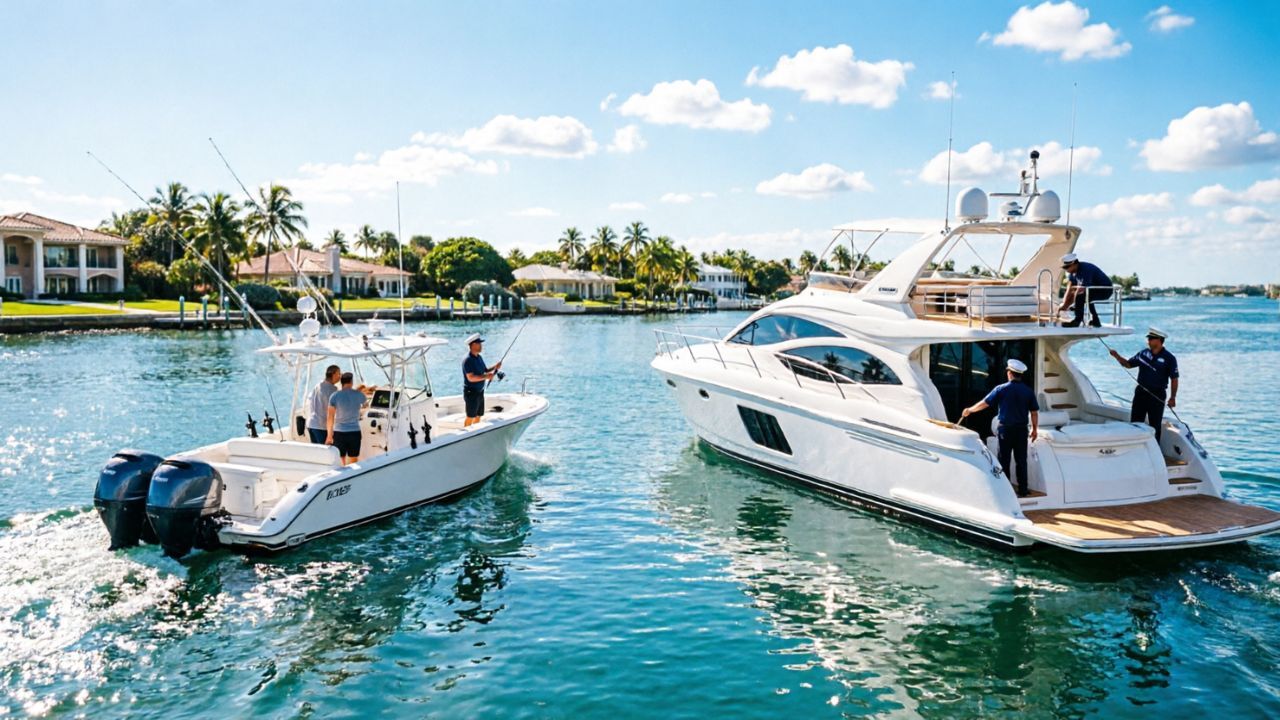
But here's the thing. A 45-foot center console built for deep-sea fishing? Nobody in the boating world is calling that a yacht. Meanwhile, a 38-foot flybridge cruiser with staterooms and a full bar gets the yacht label pretty naturally. The finishings, the layout, the intent behind the design... all of that matters more than what the tape measure says.
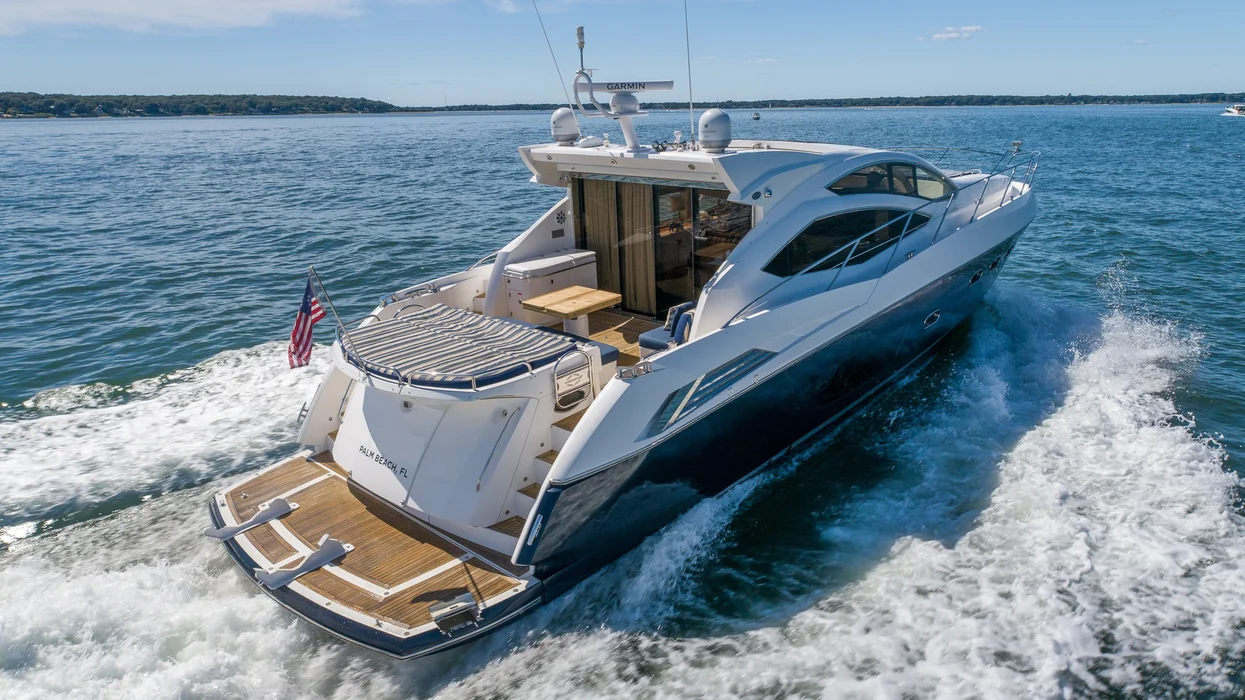
This is probably where the difference between yacht and boat becomes most obvious to regular people who aren't obsessing over nautical terminology.
Boats are built for function. Getting from point A to
point B. Fishing. Tubing. A quick sunset cruise. They do their job well, but the focus is utility.
Yachts flip that priority. The entire design philosophy centers around comfort, entertainment, and extended stays on the water. Think of it this way: a boat is transportation, a yacht is a destination.
What typically separates yacht-level amenities from standard boats:
Some boats obviously have nice features too. But the gap in onboard living quality between a recreational boat and a proper yacht is genuinely night and day.
For a side-by-side look at what different vessel sizes actually offer onboard, browse the full South Florida Yacht Rental fleet ranging from 22-foot boats to 122-foot luxury yachts.
Boats tend to be designed for shorter outings. A few hours on the lake. A half-day fishing trip. Maybe a coastal cruise that stays relatively close to shore. They're perfect for that, and there's nothing wrong with it.
Yachts are engineered for longer stays and bigger water. They carry more fuel, have larger freshwater tanks, better navigation electronics, and hull designs that handle open ocean conditions. The maritime industry actually classifies vessels based on this capability:
Most recreational boats fall into Class C. Yachts? They're typically Class A or B. That's a massive difference in engineering and what the vessel can handle when conditions get rough.
Here's something people don't think about enough. Most boats under 30 feet are owner-operated. One person can handle the controls, docking, and navigation without much trouble. Maybe a buddy helps with the lines.
Yachts are a different animal. Once a vessel gets past 50 feet, operational complexity increases dramatically. Navigation systems get more advanced. Engine rooms need monitoring. And honestly, docking a 70-foot yacht solo is a recipe for an expensive afternoon.
That's why the saying exists: you operate a boat, but you staff a yacht.
For chartered yachts, crew typically includes at minimum a licensed captain. Larger vessels add a first mate, engineer, chef, and stewards. This isn't just about luxury (although having someone mix cocktails while cruising past the Intracoastal is pretty great). It's actually about safety and proper vessel management.
|
Vessel Size |
Typical Crew Needed |
|
Under 35 feet |
Owner-operated, no crew |
|
35 to 55 feet |
Captain only |
|
55 to 80 feet |
Captain + 1 to 2 crew |
|
80 to 120 feet |
Captain + 3 to 6 crew |
|
120+ feet |
Full professional crew (7+) |
Nobody's going to pretend this isn't a factor. The financial difference between boats and yachts is significant, whether buying or renting.
A standard recreational boat might cost anywhere from $30,000 to $300,000 to purchase. A yacht? That range jumps to $1 million all the way up to $50 million or more depending on size and customization. And the purchase price is honestly just the beginning. Annual operating costs for a yacht typically run between 10% and 15% of the vessel's market value. So a $2 million yacht could cost roughly $200,000 per year to maintain.
That's fuel, crew salaries, insurance, docking fees, and regular maintenance. Which is exactly why chartering has become so popular. All the luxury, none of the long-term financial commitment.
For charter pricing, smaller boats in South Florida might rent for $800 to $2,500 per day. Yacht charters can start around $4,000 and go well past $15,000 per day depending on the vessel and what's included.
Here's something nobody really talks about. The line between boat and yacht sometimes gets blurred by marketing. Manufacturers and rental companies occasionally call something a "yacht" because it sounds more prestigious. A 32-foot bowrider with leather seats and LED lighting might get marketed as a "mini yacht" when, by most standards, it's still very much a boat.
That's not necessarily dishonest. But it's worth being aware of when comparing options. The real test? Step onboard. If it feels like a floating home with separate living spaces, professional-grade systems, and room to genuinely live for days, it's probably a yacht. If it's a fun, functional vessel for a great day on the water, it's a boat. And both are perfectly valid depending on the kind of experience that matters most.
For anyone considering a day out in South Florida, understanding the difference between yacht and boat helps match expectations to reality. A group of friends looking for a casual afternoon of swimming and music? A well-equipped boat is probably the perfect fit. Planning a birthday celebration, corporate event, or bachelorette party where the experience needs to feel special? That's where stepping up to a yacht changes everything.
South Florida Yacht Rental puts together custom bachelorette and celebration packages that pair the right vessel with catering, water toys, and a professional crew so every detail is handled.
South Florida's waterways (from Palm Beach down through Fort Lauderdale and Miami) are some of the best in the country for both boating and yachting. The Intracoastal, the open Atlantic, sandbar stops, waterfront dining... the backdrop is already world-class. The vessel just determines how that backdrop gets experienced.
At what size does a boat officially become a yacht?
There's no single universal cutoff. But most industry professionals start using the term "yacht" around the 33 to 40 foot mark, provided the vessel also has luxury amenities, enclosed living spaces, and advanced onboard systems. Size alone doesn't qualify a vessel. A 45-foot bare-bones fishing boat is still called a boat by most standards.
Can a sailboat be considered a yacht?
Absolutely. Yachts can be motor-powered or sail-powered. Sailing yachts are their own well-established category. What matters is whether the vessel offers luxury accommodations and is designed for extended recreational use, not what's propelling it through the water.
Is renting a yacht worth the extra cost over a boat?
It depends entirely on the occasion. For a casual afternoon, a quality boat rental delivers a great time at a lower price point. But for milestone celebrations, multi-hour events, or any experience where comfort and service are priorities, the upgrade to a yacht rental makes a noticeable difference in how the day feels.
Do you need a special license to drive a yacht?
For private ownership, licensing requirements vary by state and vessel size. But the more relevant point for most people is that chartered yachts typically come with a professional captain included. So guests don't need any boating credentials at all. Just show up, relax, and let the crew handle everything.
Short answer: Reef-safe sunscreen, a waterproof bag for valuables, a packed cooler with water and snacks, water shoes, towels, floats, trash bags,...
Lantana sits right between West Palm Beach and Delray Beach on a narrow strip of South Florida coastline where the Atlantic Ocean meets the...
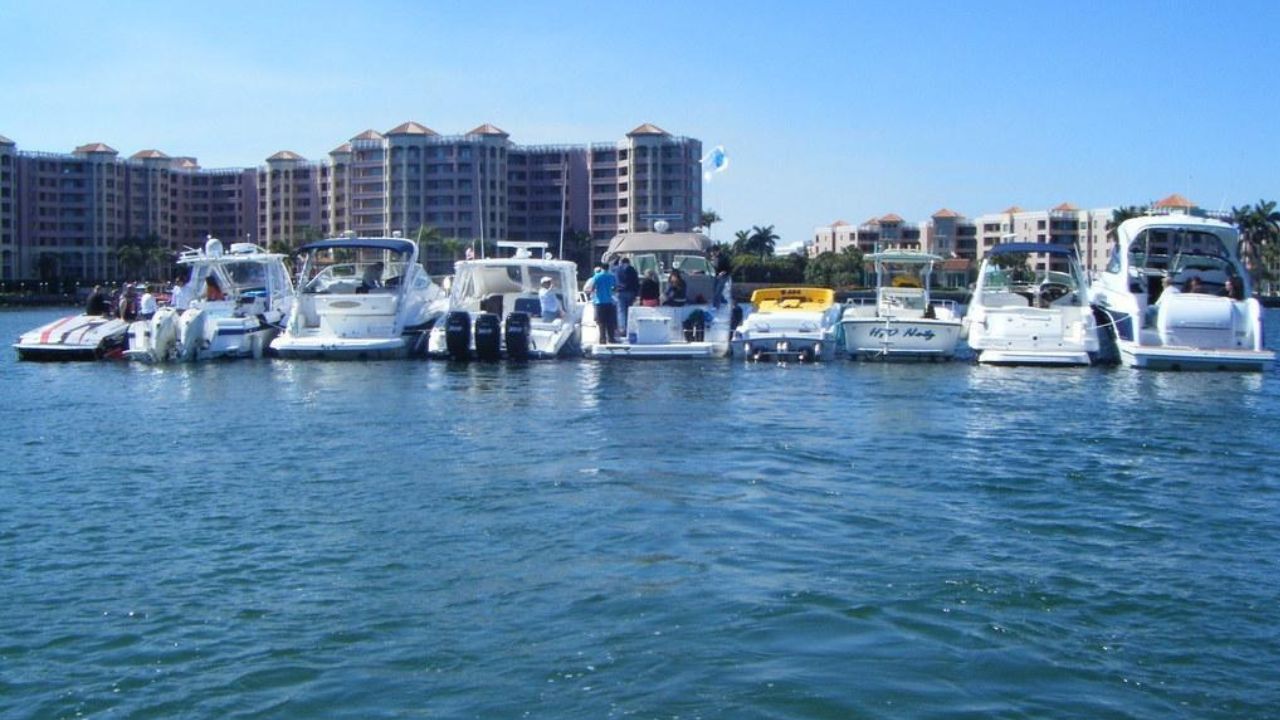
The Lake Boca sandbar is a shallow, sandy gathering spot inside Lake Boca Raton, located just west of the Boca Raton Inlet along the Intracoastal...