
10 Best Things to Do in Lake Worth Beyond Arts
Lake Worth Beach sits between the Atlantic Ocean and the Intracoastal Waterway. It has galleries, murals, and a bohemian downtown that gets all the...
Choosing when to visit Miami sounds simple on the surface. Warm weather is available year-round, the water rarely gets cold, and yacht charters operate in every season. Yet anyone who has spent meaningful time on the Intracoastal knows that timing quietly shapes the entire experience.
Dry weather, stable conditions, and physical comfort matter far more than raw sunshine numbers. When those elements align, a charter feels effortless. When they do not, even a beautiful yacht cannot fully compensate.
For travelers focused on refined yacht charters rather than crowded beaches or nightlife calendars, the best time to visit Miami depends on subtle but critical factors. Rain patterns, humidity, wind behavior, and seasonal rhythms all influence how enjoyable time on the water actually is. Understanding these elements allows decisions to be made with clarity rather than assumption.
Miami doesn't follow traditional seasonal patterns the way most of America does. There's no crisp autumn, and no blooming spring. Instead, two very distinct periods define everything about visiting this city.
The wet season (May through October) transforms Miami into a steamy, tropical environment where humidity hangs thick in the air. Every single afternoon, around 3 PM like clockwork, storms build up. Some days bring a quick 20-minute downpour. Other days deliver two hours of rain that completely reshape plans.
For yacht charters, this creates serious complications. Sure, mornings might look gorgeous. But that doesn't mean much when the sky needs constant monitoring, wondering if the trip will need to end early.
The dry season (November through April) presents something completely different. Rainfall drops dramatically. The air feels lighter. Weather forecasts become actually reliable. Cold fronts occasionally push down from northern states, bringing a few genuinely cool days where locals break out sweaters. But mostly? Pure sunshine. Day after day of reliable, beautiful weather.
This is when the Intracoastal transforms into something magical. The water settles down. Visibility improves. Everything about being on a yacht becomes easier and more enjoyable.
Experience that magic yourself with a smooth, clear-water cruise! Explore our Intracoastal yacht charters, perfect for the dry season.
The best time to visit Miami for yacht charters really comes down to these four months. This isn't just about avoiding rain (though that's obviously important). It's about how multiple weather factors come together simultaneously.
Temperature sweet spot:
What stands out about these months is how the Intracoastal itself changes character. During summer, afternoon storms churn up the water constantly. Choppy conditions, confused waves, and general messiness dominate. But in winter? The waterway becomes almost glassy on many days. It's protected enough that even when the wind whips the open ocean, calm, smooth water makes for comfortable cruising.
Wind patterns matter more than most people realize. Summer winds are chaotic, tied to those afternoon thunderstorms, gusting unpredictably. Winter winds are gentler, more consistent. They keep passengers comfortable without making the boat rock excessively. For anyone prone to seasickness, this difference becomes huge.
Any month in that December through March window would likely deliver a great experience. But February? February stands apart.
The holiday madness is over. January brings tons of snowbirds fleeing frozen northern states, but by February, things settle considerably. Booking a decent yacht doesn't require planning six months ahead. Marina parking isn't a nightmare. The whole experience feels less frantic.
Still, the best vessels go quickly even in February. Browse and reserve your ideal yacht from our full fleet today for peak dry-season availability.
Weather-wise, February sits right in the sweet spot. It's statistically one of Miami's driest months, registering under two inches of rain for the entire month. Compare that to September's eight-plus inches, and the appeal for yacht charter companies becomes obvious.
Here's something most people overlook: visibility. February's low humidity means sightlines extend dramatically. Architectural details on multimillion-dollar waterfront mansions actually pop. Dolphins become visible from much farther away. The whole visual experience of cruising the Intracoastal improves substantially.
Water temperature in February hovers around 73-75°F. That's legitimately comfortable for swimming, not just tolerable. The Intracoastal, being shallower and protected, runs even warmer. Extended time in the water becomes genuinely pleasant rather than something to endure briefly.
Why February works exceptionally well:
March gets overlooked, and honestly, that creates opportunities for savvy travelers. It's the tail end of peak season, which means slightly better prices with proper timing. Spring break creates a busy week or two, but before and after those dates? Excellent conditions with fewer crowds.
Temperatures climb moderately in March. Consistent low to mid-80s feels perfect when on the water with breeze and spray providing natural cooling. Water warms up another degree or two, making swimming even more inviting.
The natural world awakens in March. Marine life becomes noticeably more active. Manatees remain in the area (they stick close to warm water sources during winter). Bird activity explodes as both resident species and the last winter migrants create incredible wildlife viewing opportunities along the mangrove sections.
Days get longer, too. By late March, sunset doesn't arrive until after 7:30 PM, compared to 5:30 PM in December. That extra daylight opens up options significantly. Full days of cruising can still capture golden hour without any rushing.
The Intracoastal Waterway is unique. It's not open ocean boating. The seasonal differences affect it in specific ways that matter enormously for the overall experience.
During the wet season, storms don't just bring rain. They stir up sediment. Runoff from land clouds the water. The whole waterway gets murky and loses that pristine quality. Winds funnel through the relatively narrow channels, creating choppy, uncomfortable conditions even when storms aren't actually occurring.
Winter eliminates all of this. Clear weather means clear water. Visibility extends down into the depths, revealing fish and rays gliding along the bottom. The protected nature of the waterway combines with winter's calm to create almost lake-like conditions that are perfect for any size vessel.
Navigation improves considerably, too. Channel markers become visible from greater distances. Depth judgment gets easier. Even for less experienced boaters, everything feels more manageable when the path ahead is clearly visible.
Understanding the best time to visit Miami is the first step. Actually securing a quality yacht during peak season requires strategic planning.
Booking timeline considerations:
Early booking isn't just about securing availability. Charter companies can actually customize experiences when they have advance notice. Special catering requests, specific routes, and additional equipment all become easier when bookings aren't made two weeks out.
Flexible cancellation policies deserve consideration. While winter is statistically reliable, cold fronts occasionally bring a day or two of genuinely rough weather. Knowing rescheduling is possible without losing deposits provides valuable peace of mind.
Lock in your preferred dates and vessel with our easy online process. Start planning your dry-season escape by viewing available yachts and booking now.
Even during perfect months, charter timing affects the experience significantly.
Morning (9 AM - noon):
Midday (noon - 4 PM):
Sunset (varies by month):
Full-day charters provide everything. Morning sightseeing while the water's glassy, midday anchoring for swimming and lunch, evening cruising as the sky lights up. It's the complete Intracoastal experience.
Visiting Miami at any time of year could yield decent yacht charters. The boats are beautiful, the Intracoastal is inherently gorgeous, and the city's energy is infectious.
But there's a massive difference between "decent" and "absolutely perfect." Between checking the weather app hourly with anxiety and knowing sunshine is basically guaranteed. Between choppy, uncomfortable water and glassy smooth cruising. Between murky visibility and crystal-clear views of everything around.
That difference comes down to timing. December through March. Those four months are when Miami's dry season delivers exactly what yacht charters need: calm water, clear skies, comfortable temperatures, and reliable conditions.
Within that window, options exist based on what matters most. Want the warmest weather and don't mind slightly higher prices? Late February and March are ideal targets. Prefer cooler conditions, okay with bringing a light jacket for evenings, and hunting for better deals? December and January offer tremendous value.
Either way, the framework ensures solid fundamentals. Weather becomes a supporting factor in the experience rather than the main character threatening to derail everything.
The Intracoastal Waterway during Miami's dry season isn't just about avoiding problems. It's about accessing the absolute best version of this experience. The version where everything works, where nature cooperates, where yacht charters become memories worth talking about for years.
Once someone experiences it during these peak months, the question becomes obvious: why would anyone visit any other time?
What month has the least rain for yacht charters in Miami?
January and February typically see the lowest rainfall, making them part of the best time to visit Miami for dry, predictable conditions on the Intracoastal.
Is it too windy to charter a yacht during winter in Miami?
No. Winter winds are usually light and consistent, which supports smooth cruising and a comfortable time on deck rather than rough conditions.
Can yacht charters still run during Miami’s wetter months?
Yes, but the weather becomes less predictable. Afternoon rain and higher humidity can affect comfort and scheduling, which is why many travelers prefer visiting Miami during the dry season.
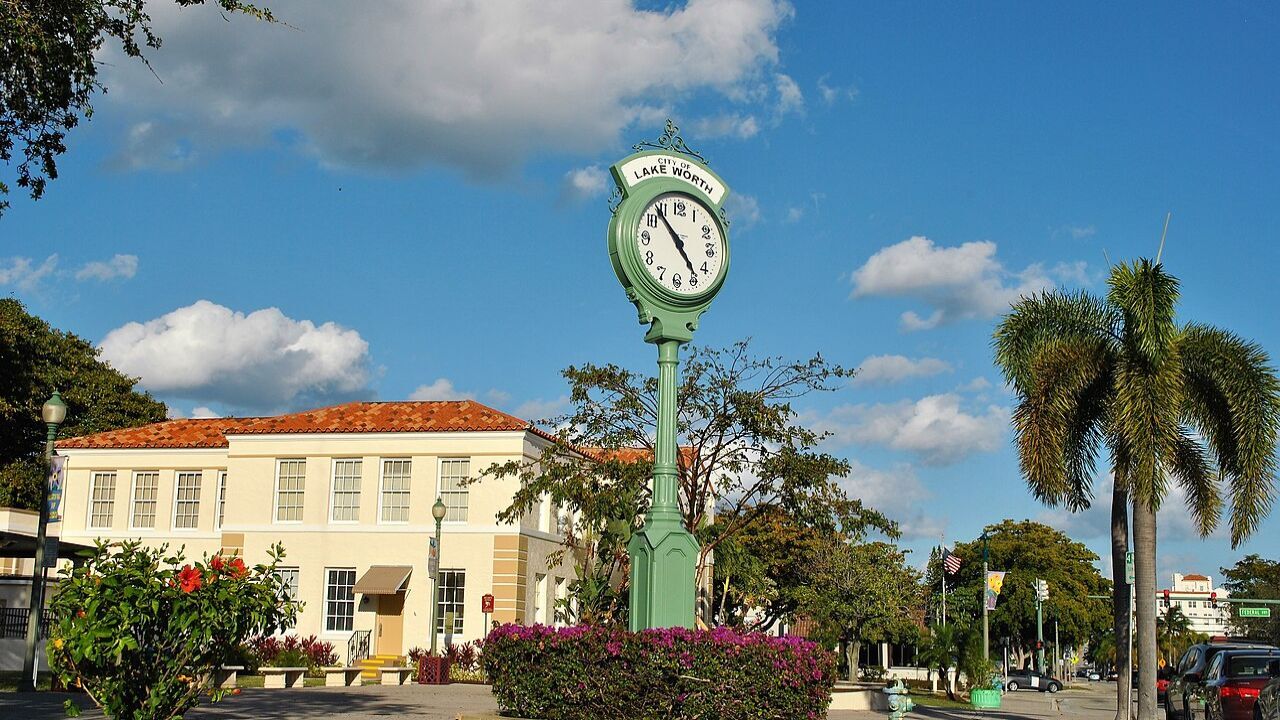
Lake Worth Beach sits between the Atlantic Ocean and the Intracoastal Waterway. It has galleries, murals, and a bohemian downtown that gets all the...
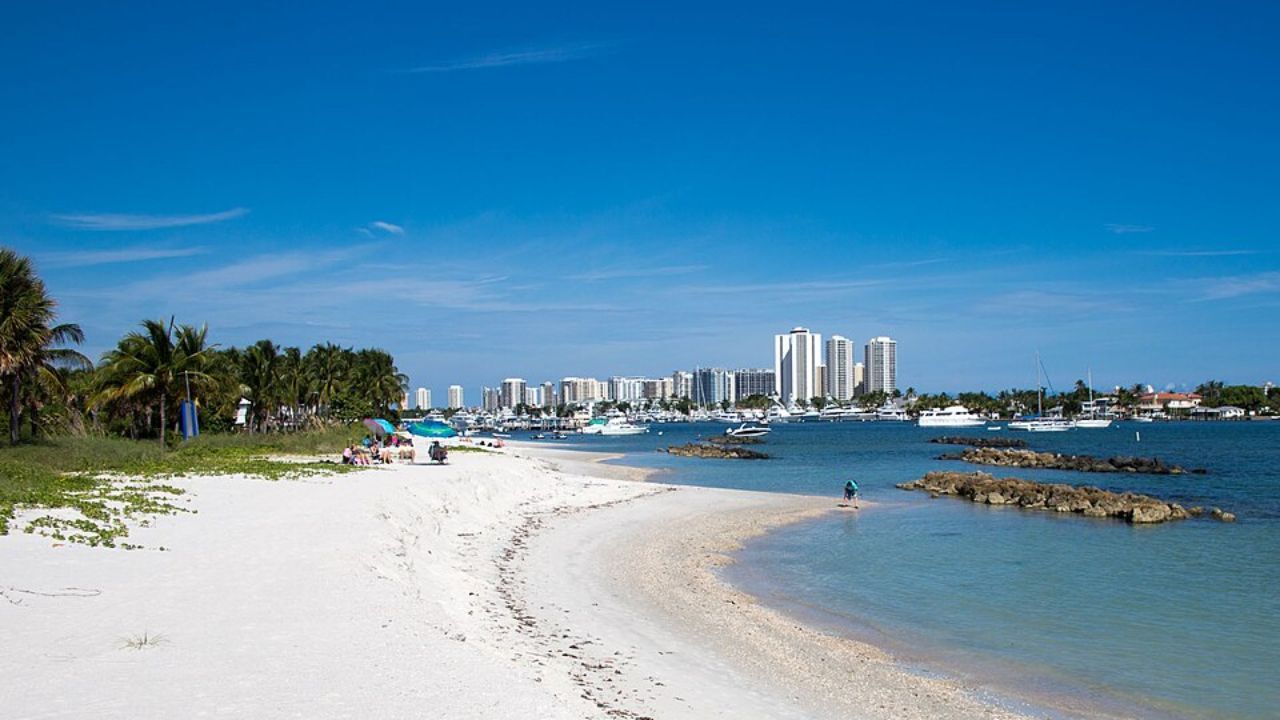
Peanut Island snorkeling is different because of its engineered reef system, Gulf Stream-fed visibility, and boat-only access that keeps crowds low....
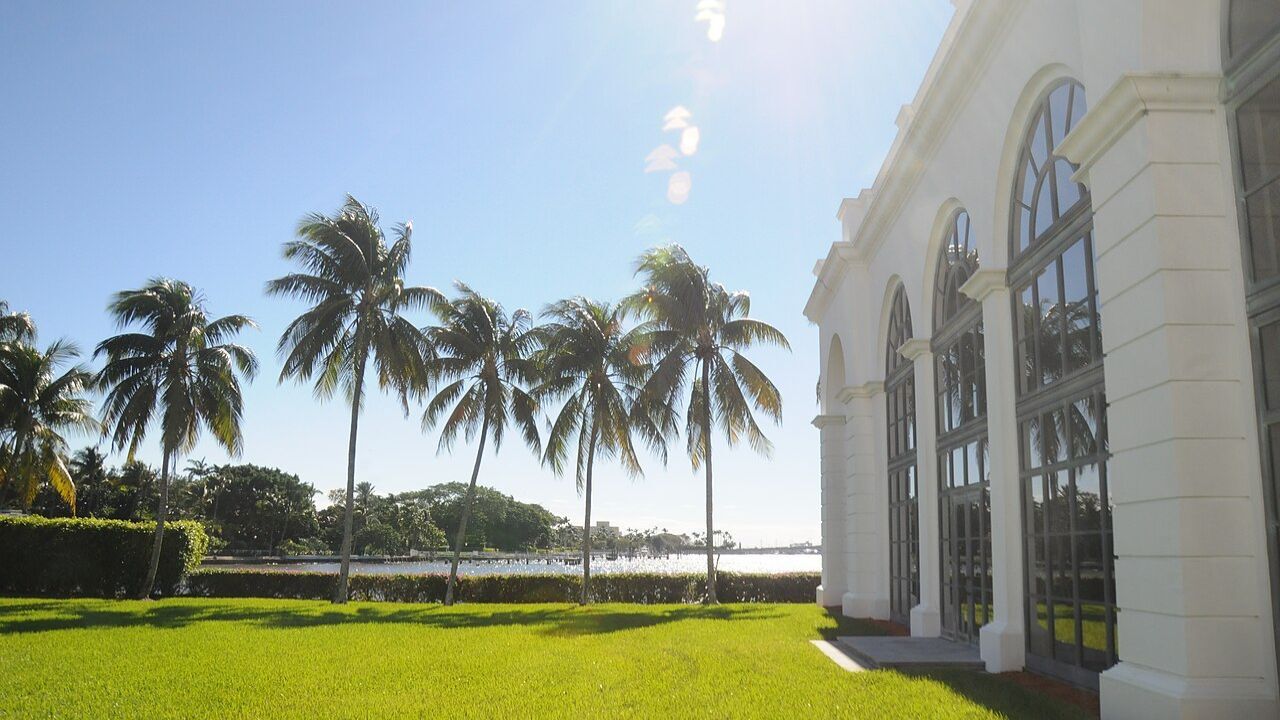
The short answer: Most Palm Beach, Florida mansions face the Intracoastal Waterway, not the street. Properties hide behind hedges standing 8 to 16...